Richmond Station moving tips for TW9 flat pickups
If you are organising a flat pickup near Richmond Station, the smallest details can make the biggest difference. A loading bay that is blocked, a stairwell that feels tighter than expected, or a van arriving five minutes late can quickly turn a straightforward move into a stressful one. Richmond Station moving tips for TW9 flat pickups are really about planning well, keeping the pickup efficient, and avoiding the usual bottlenecks that come with a busy local station area.
This guide walks you through how to prepare, what to expect, and how to keep things calm on the day. Whether you are collecting furniture, moving a one-bed flat, or shifting a few awkward items across TW9, you will find practical advice that saves time and reduces hassle. And to be fair, that is what most people want: a move that feels organised rather than slightly chaotic at 7:30 on a wet morning.
For readers who want broader moving help beyond the station area, you may also find the company's flat removals and man and van pages useful when comparing service options.
Table of Contents
- Why Richmond Station moving tips for TW9 flat pickups Matters
- How Richmond Station moving tips for TW9 flat pickups Works
- Key Benefits and Practical Advantages
- Who This Is For and When It Makes Sense
- Step-by-Step Guidance
- Expert Tips for Better Results
- Common Mistakes to Avoid
- Tools, Resources and Recommendations
- Law, Compliance, Standards, or Best Practice
- Options, Methods, or Comparison Table
- Case Study or Real-World Example
- Practical Checklist
- Conclusion
- Frequently Asked Questions
Why Richmond Station moving tips for TW9 flat pickups Matters
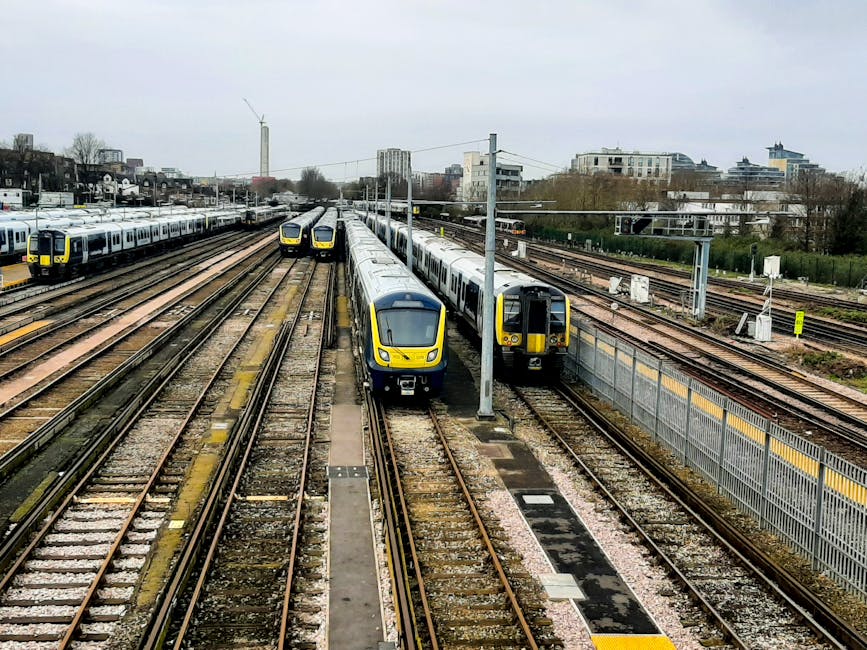
Richmond Station sits in a busy part of TW9, and that creates a very specific set of moving challenges. You are often dealing with pedestrians, traffic pinch points, limited waiting space, flats with stair access only, and the need to keep a van stop as short and tidy as possible. That is especially true if the pickup is near peak travel times, when station activity and local traffic are both working against you.
Why does this matter so much? Because most moving delays are not caused by the lifting itself. They come from access problems. A driver cannot stop where you hoped. The lift is in use. The parking space is further away than expected. Boxes are ready, but the keys are not. Small things, all of them, but they stack up quickly.
In TW9 flat pickups, the goal is simple: reduce friction before the van arrives. If you can shorten the walk from the front door to the vehicle, protect the building from scuffs, and keep everyone clear on timing, the whole move tends to run smoother. Truth be told, a bit of preparation is often worth more than an extra pair of hands.
It is also worth remembering that station-adjacent moves can affect neighbours and building managers more than you might think. The quieter and more organised you are, the less likely you are to upset the rhythm of the building. Nobody wants to be the person blocking a shared entrance while someone else is trying to get a pram out. Not ideal.
How Richmond Station moving tips for TW9 flat pickups Works
The process is usually straightforward, but only if you treat it like a mini-project rather than a last-minute lift-and-go job. A typical flat pickup near Richmond Station usually involves three phases: planning access, preparing the items, and loading efficiently at the kerbside or nearest safe stopping point.
1. Plan the access first
Start by checking where the vehicle can stop, where items will come from, and how far the carry will be. In a flat pickup, distance matters more than people expect. Ten extra metres does not sound like much until you are carrying a wardrobe down a narrow stairwell.
2. Prepare the property and the items
Before the van arrives, group items by size and fragility. Keep doors open if building rules allow it, clear hallways, and make sure anything loose is packed or wrapped. If you are collecting from a flat that has only one narrow exit route, stage the boxes so they do not clog the landing. That little detail can save a lot of faff.
3. Load in the right order
Heavier, sturdier items should usually go in first, with fragile or awkward items positioned so they cannot shift. If the pickup includes furniture, it helps to dismantle it in advance where possible. A flat pickup is not the moment to start looking for the right Allen key. Been there, regretted it.
If you need packing help as part of the move, the dedicated packing and boxes page explains a useful service option for protecting smaller items before collection.
Key Benefits and Practical Advantages
Good moving prep near Richmond Station is not just about convenience. It can save money, reduce stress, and make the pickup safer for everyone involved. A well-organised TW9 flat pickup tends to be quicker, and quicker moves are often less disruptive.
- Less time waiting: If the route, parking, and access are planned in advance, the van spends less time idle.
- Lower handling risk: Fewer unnecessary carries usually means fewer bumps, scrapes, and near-misses.
- Better use of labour: A team can focus on moving items rather than searching for a route or juggling space.
- Less neighbour disruption: Clear timing and tidy loading reduce friction in shared hallways and entrances.
- More predictable costs: In many moving jobs, time and access are closely linked, so better prep can help keep quotes and actual workload aligned.
There is another benefit people often overlook: confidence. When you know the flat is ready, the route is clear, and the pickup has been thought through, the whole day feels lighter. That matters more than it sounds like it should.
Who This Is For and When It Makes Sense
This advice is useful for a wide range of people, not just those moving house. In practice, Richmond Station moving tips for TW9 flat pickups are relevant if you are collecting a new sofa, helping a family member move out of a rental, or arranging a small-scale flat clearance.
It is especially useful for:
- tenants moving into or out of flats near the station
- students shifting items between term-time accommodation and storage
- young professionals moving a few rooms' worth of belongings
- landlords and letting agents coordinating quick turnarounds
- people collecting furniture or bulky items from a flat
- anyone using a man with van or similar service for a compact local move
If you are dealing with a larger household move, the broader home moves and house removals pages may be more relevant. But for flatter, tighter, more access-sensitive pickups, this guide is the one that fits.
Step-by-Step Guidance
Here is a practical way to handle a TW9 flat pickup near Richmond Station without turning it into a rushed scramble.
- Confirm the pickup details. Check the flat number, building entrance, access code, and the contact person for the day. If there is a concierge or building manager involved, note that early.
- Measure the awkward bits. If you have a sofa, table, mattress, or tall cupboard, measure doorways, stair bends, and lift dimensions if relevant. Do not guess. Guessing is where trouble starts.
- Book the right vehicle. For small flat pickups, a smaller vehicle may be easier to position near the station area than something oversized. If you are unsure, the removal van and moving truck pages help you think through capacity differences.
- Prepare items for lifting. Remove loose parts, tape drawers shut, protect corners, and wrap breakables. A few minutes here can prevent a lot of annoyance later.
- Clear the route inside the flat. Shoes, rugs, plant pots, recycling bags, and random bits of furniture in the hallway all slow things down. Move them before anyone starts carrying.
- Check the parking plan. Around Richmond Station, the best stopping point is not always the closest-looking one. It needs to be safe, practical, and workable for the vehicle and the load.
- Load methodically. Put the biggest items in first, then stack boxes by weight and fragility. Keep essentials together if you will need them immediately after the pickup.
- Do a final sweep. Open cupboards, check behind doors, look under beds, and confirm keys, remotes, chargers, and documents are not left behind.
If there are items you do not want to keep, you might also look at furniture removals or furniture pick up options, depending on whether the move is more about collection or disposal.
Expert Tips for Better Results
Some of the best moving tips are annoyingly simple. That does not make them less valuable. In fact, the boring stuff is often the bit that saves the day.
- Use one box type where possible. Mixed sizes are fine, but too many odd shapes create unstable stacks and wasted van space.
- Label by room and priority. A quick marker note is enough. "Kitchen - fragile" beats a mystery box every time.
- Keep a small essentials bag separate. Keys, phone charger, ID, medication, tea bags, and a bottle of water. You will be glad you did.
- Avoid peak congestion if you can. Early morning or mid-day pickups are often easier around transport hubs than the classic late-afternoon rush.
- Protect flooring and corners. Even a simple blanket or cardboard layer can help in older buildings with narrow stairwells.
- Use storage if timing is messy. If your keys, tenancy dates, or delivery windows do not line up cleanly, short-term storage can take the pressure off.
A small but useful habit: take a few photos before loading. Not because you expect a problem, but because it gives you a visual record of what left the flat and how it was packed. It takes seconds. Handy, that.
Expert summary: The smoother a TW9 flat pickup near Richmond Station feels, the more likely it is that the real work was done before moving day. Access, timing, packing, and vehicle choice all matter more than people expect.
Common Mistakes to Avoid
Most stressful pickup days are not caused by one big error. They are caused by four or five small ones stacking together. Here are the mistakes that come up most often.
- Leaving parking until the last minute. Around Richmond Station, that can turn a tidy plan into a delay very quickly.
- Underestimating stair access. A flat may look easy from outside and still be awkward once you are inside.
- Packing too late. If you are still boxing items while the van is waiting, the clock is already working against you.
- Ignoring building rules. Some flats have quiet hours, access instructions, or lift-use expectations that need to be respected.
- Mixing fragile and heavy items. That is how broken mugs end up in the same box as books. Not a great scene.
- Forgetting disposal or extra items. If you are planning to remove unwanted belongings as part of the pickup, sort that out ahead of time rather than hoping it will all fit.
One more thing: do not assume every move needs a huge vehicle. Sometimes the smartest choice is a smaller, easier-to-position van with a cleaner loading plan. Bigger is not always better. A bit of humility goes a long way in central TW9 streets.
Tools, Resources and Recommendations
You do not need a warehouse of kit to complete a good flat pickup. But a few basic tools make a noticeable difference.
- Strong boxes and tape: Good boxes hold their shape, which makes stacking much safer.
- Bubble wrap or paper wrap: Best for glassware, mirrors, and smaller fragile items.
- Blankets and furniture covers: Useful for sofas, tables, and anything with a painted or polished finish.
- Dolly or sack truck: Helpful if the building layout allows it and the items are suitable.
- Door protectors or corner guards: Worth it in narrow staircases or older properties.
- Marker pens and labels: Not glamorous, but genuinely useful.
If you are comparing service styles, the company's removal services page is a sensible starting point for understanding broader support, while removal companies can help you think about what a full-service provider typically offers. For more targeted help on local jobs, same day removals may suit urgent situations where timing is tight.
Law, Compliance, Standards, or Best Practice
For a flat pickup near Richmond Station, the main compliance concerns are usually practical rather than complicated. Think safe loading, sensible parking, building access rules, and care around shared spaces. If a vehicle needs to stop in a restricted or sensitive area, the operator and customer both need to make sure the plan is lawful and safe. That is just good practice.
It also makes sense to be mindful of health and safety standards during lifting and carrying. Heavy items should be moved by people who are confident doing so, with proper technique and the right equipment where needed. If an item is too awkward or heavy, it is better to slow down than force it. Simple, but worth saying.
For customers who want extra reassurance, the company's health and safety policy, insurance and safety, and terms and conditions pages are useful to review before booking. If pricing transparency matters to you, the pricing and quotes page is also a helpful reference.
And yes, privacy matters too. Sharing access codes, phone numbers, and move details should be handled responsibly, which is why a clear privacy policy matters even in a local pickup context. Nothing dramatic there, just sensible care.
Options, Methods, or Comparison Table
Different pickup situations call for different approaches. If you are near Richmond Station in TW9, the right method depends on how much you are moving, how easy the access is, and how quickly the pickup needs to happen.
| Approach | Best for | Strengths | Watch-outs |
|---|---|---|---|
| Small man and van pickup | Single items, compact flat moves, quick local jobs | Easier to park and manoeuvre, often efficient for short jobs | Limited capacity if the load grows unexpectedly |
| Full removal van | One-bed flats, multiple boxes, mixed furniture | More space, better for organised loading | May be harder to position near tight station access |
| Larger moving truck | Bigger household moves or heavier loads | High capacity, fewer trips | Can be overkill for a small TW9 pickup and may be less convenient near the station |
| Storage-first approach | Delayed move-ins, uncertain dates, temporary holding needs | Flexibility, less pressure on the day | Extra handling step, so packing needs to be careful |
For a typical station-area flat pickup, smaller and more agile often wins. The best option is the one that fits the building access and the timing, not just the item count. That distinction matters more than most people realise.
Case Study or Real-World Example
Here is a realistic scenario. A renter in a TW9 flat near Richmond Station needs to collect a sofa, a dining table, six boxes, and a mirror from a second-floor flat. The building has a narrow stairwell, no convenient loading directly outside, and only a short window when the street is less busy.
The move goes well because the pickup is prepared properly. The sofa legs are removed in advance. The mirror is wrapped and placed last. The boxes are labelled and stacked by weight. The van arrives when the route is clear, and the team keeps the carry as short as possible. No drama, no damaged skirting board, no frantic search for tape.
What made the difference? Not one thing. A few small things done early. The client had also checked whether any items needed to be put into storage temporarily, which reduced pressure on the vehicle size. That is the sort of planning that keeps a move from turning into a half-day puzzle.
In our experience, the smoother jobs around station areas are rarely the ones with the fanciest equipment. They are the ones where the person booking the move asked a few sensible questions and prepared the flat like they meant it.
Practical Checklist
Use this checklist the day before and again an hour before pickup. It keeps things simple.
- Confirm the pickup time and exact flat address
- Check access codes, key collection details, and contact numbers
- Measure large items and awkward doorways
- Pack fragile items separately and label them clearly
- Disassemble furniture where sensible
- Clear hallways, stairs, and the route to the exit
- Protect floors, doors, and corners if needed
- Plan where the vehicle will stop
- Separate any items going to storage, recycling, or disposal
- Keep essentials with you, not in the main load
- Do a full final check of cupboards, under beds, and behind doors
- Make sure the person receiving the items knows the timing
Quick takeaway: If you only remember three things, make them access, timing, and packing order. That covers most of the real headaches.
Conclusion
Richmond Station moving tips for TW9 flat pickups are ultimately about making the practical bits feel lighter. When access is planned, items are prepared properly, and the right vehicle is chosen, the whole process becomes much less stressful. You do not need perfection. You just need a decent plan and a clear understanding of the building, the route, and the load.
That is the real win here. A good pickup is quiet, efficient, and forgettable in the best possible way. No panic, no last-minute scramble, no awkward stand-off in the doorway while everyone wonders who has the keys. Just a clean move and a better start to the day.
Get a free quote today and see how much you can save.
Frequently Asked Questions
What is the best time for a Richmond Station flat pickup in TW9?
Earlier in the day is often easier, especially if you want to avoid heavier station traffic and the busiest pedestrian flow. Mid-morning can be a sensible middle ground. The exact best time depends on building access and parking options, but avoiding the rush usually helps.
Do I need a bigger vehicle for a small flat pickup near Richmond Station?
Not always. For many TW9 flat pickups, a smaller, well-organised van is more practical than a larger vehicle. The right choice depends on item size, access, and whether you are moving a few pieces or a full flat load.
How do I prepare a flat with narrow stairs?
Measure the main items, clear the hallway, and remove any loose obstacles before the move starts. If possible, dismantle furniture and keep heavy boxes small enough to carry comfortably. Narrow stairs need patience more than speed.
Can I arrange storage if my move dates do not line up?
Yes, storage can be a useful bridge when keys, tenancy dates, or delivery windows do not match up neatly. It is especially helpful if you need to move out before the next property is ready, which happens more often than people expect.
What should I pack separately for a flat pickup?
Keep essentials, documents, chargers, medication, and a small overnight bag separate from the main load. It saves time and prevents the awkward moment where you realise your phone charger is buried under three boxes of books.
How much notice do I need for a same-day pickup?
Same-day work can sometimes be arranged if the schedule and vehicle availability line up, but it is naturally more limited than advance booking. If the pickup is urgent, contacting the provider as early as possible gives you the best chance of success.
What if the flat building has strict access rules?
Tell the mover as early as possible. Access codes, lift booking rules, time windows, and quiet-hour restrictions can affect the plan. A good moving day starts with the building's rules, not against them.
Is it worth using a man and van service for one or two items?
Yes, often it is. If you are collecting a sofa, a mattress, or a few bulky pieces, a man and van service can be a practical and flexible option. It is usually better suited to local flat pickups than booking something oversized.
Can I include unwanted furniture in the same pickup?
Sometimes, yes, depending on the service and the load. If you are clearing out old items as well as collecting new ones, it helps to plan this in advance and consider whether some pieces should go into furniture pick up or a related removals service instead.
How do I reduce the risk of damage during a TW9 flat move?
Use proper packing materials, protect corners, dismantle furniture where possible, and keep the loading path clear. Most damage happens in tight spaces, so slowing down at doorways and stair turns is often the smartest move.
Are Richmond Station pickups more difficult than other local moves?
They can be, mainly because of traffic, limited stopping space, and the general busyness around a transport hub. But they are absolutely manageable with decent planning. The difference is usually preparation, not luck.
What should I ask before booking a flat pickup?
Ask about vehicle size, access needs, timing, insurance, loading support, and how the quote is structured. If you want a more complete service, you might also ask about packing support or temporary storage. The more clear you are upfront, the fewer surprises later.
Where can I read more about service standards and booking details?
It is sensible to review the provider's service information before booking, especially if you want clarity on insurance, pricing, and what happens on moving day. That way, you are not guessing, and guessing is rarely a good plan when someone is carrying a wardrobe down the stairs.